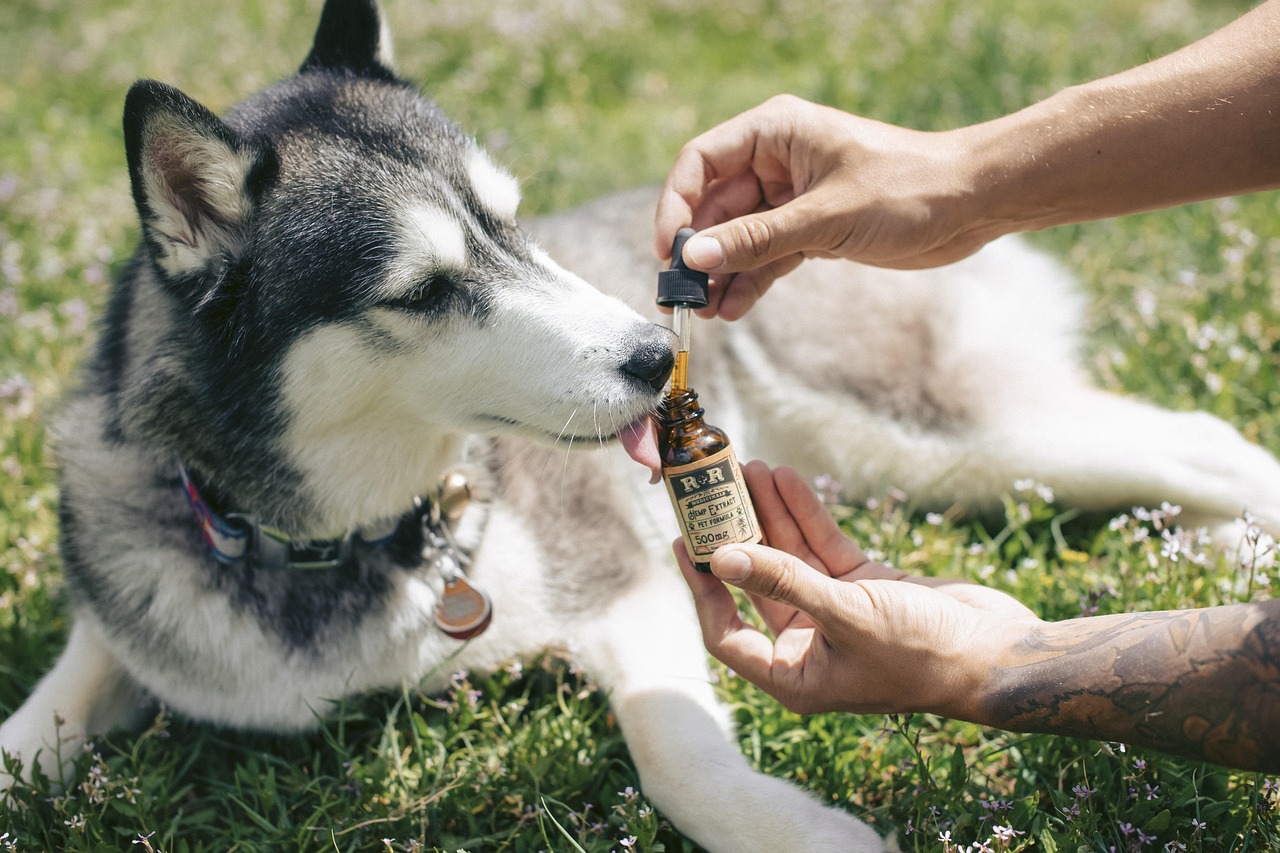
Melatonin for Dogs: A Comprehensive Guide
Melatonin, a hormone produced by the pineal gland, plays a significant role in regulating sleep-wake cycles. While commonly associated with human sleep aids, melatonin is gaining attention for its potential benefits in dogs. This article explores the uses, benefits, and considerations of melatonin for canine companions.
Understanding Melatonin
Melatonin is a naturally occurring hormone that helps regulate circadian rhythms. In dogs, as in humans, it influences sleep patterns and can affect mood and behavior. The hormone is typically released in response to darkness, promoting relaxation and sleep.
How Melatonin Works
Melatonin levels rise in the evening, signaling the body that it’s time to rest. This process helps maintain a regular sleep cycle. In dogs, melatonin can be used to address various issues, from anxiety to sleep disorders.
Benefits of Melatonin for Dogs
Melatonin offers several potential benefits for dogs, making it a versatile supplement for various conditions.
- Anxiety Relief: Dogs experiencing anxiety, whether from separation, loud noises, or unfamiliar environments, may find relief with melatonin. Its calming effects can help reduce stress and promote relaxation.
- Sleep Disorders: Dogs with disrupted sleep patterns, such as those suffering from insomnia or irregular sleep cycles, may benefit from melatonin’s ability to promote restful sleep.
- Seasonal Alopecia: Some dogs experience hair loss due to changes in daylight exposure. Melatonin can help regulate the hair growth cycle, potentially reducing seasonal alopecia.
- Cushing’s Disease: In some cases, melatonin is used as part of the treatment plan for Cushing’s disease, a condition characterized by excessive cortisol production.
Case Studies and Research
Several studies and anecdotal evidence support the use of melatonin in dogs. A study published in the “Journal of the American Veterinary Medical Association” found that melatonin supplementation helped reduce anxiety-related behaviors in dogs. Another study highlighted its effectiveness in managing sleep disorders in canines.
Veterinarians often report positive outcomes when using melatonin for dogs with anxiety and sleep issues. Pet owners have shared success stories of their dogs experiencing improved sleep and reduced anxiety after starting melatonin supplements.
Dosage and Administration
Determining the appropriate dosage of melatonin for dogs depends on factors such as size, weight, and the specific condition being treated. It’s advisable to consult a veterinarian before starting melatonin supplementation.
General Dosage Guidelines
- Small dogs (under 10 lbs): 1 mg
- Medium dogs (10-25 lbs): 1.5 mg
- Large dogs (26-100 lbs): 3 mg
- Giant dogs (over 100 lbs): 3-6 mg
These are general guidelines, and individual needs may vary. Melatonin is typically administered 30 minutes before bedtime or a stressful event.
Potential Side Effects
While melatonin is generally considered safe for dogs, some side effects may occur. These can include digestive upset, increased heart rate, or changes in fertility. Monitoring your dog for any adverse reactions is important when starting melatonin.
Choosing the Right Melatonin Supplement
When selecting a melatonin supplement for your dog, consider the following factors:
- Formulation: Choose a product specifically designed for pets, as human formulations may contain additives harmful to dogs.
- Quality: Opt for supplements from reputable manufacturers to ensure purity and potency.
- Dosage Form: Melatonin is available in various forms, including tablets, chews, and liquids. Select the form that best suits your dog’s preferences and needs.
Consulting a Veterinarian
Before introducing melatonin into your dog’s routine, consulting with a veterinarian is recommended. They can provide guidance on appropriate dosages and monitor your dog’s response to the supplement.
Conclusion
Melatonin offers a range of potential benefits for dogs, from alleviating anxiety to improving sleep patterns. While generally safe, it’s important to approach melatonin supplementation with care, considering factors such as dosage and potential side effects. Consulting a veterinarian ensures that your dog receives the most appropriate care and benefits from this versatile supplement.